Editorials
10 Years Later – How Bryan Fuller’s “Hannibal” Raised the Bar for Genre Television

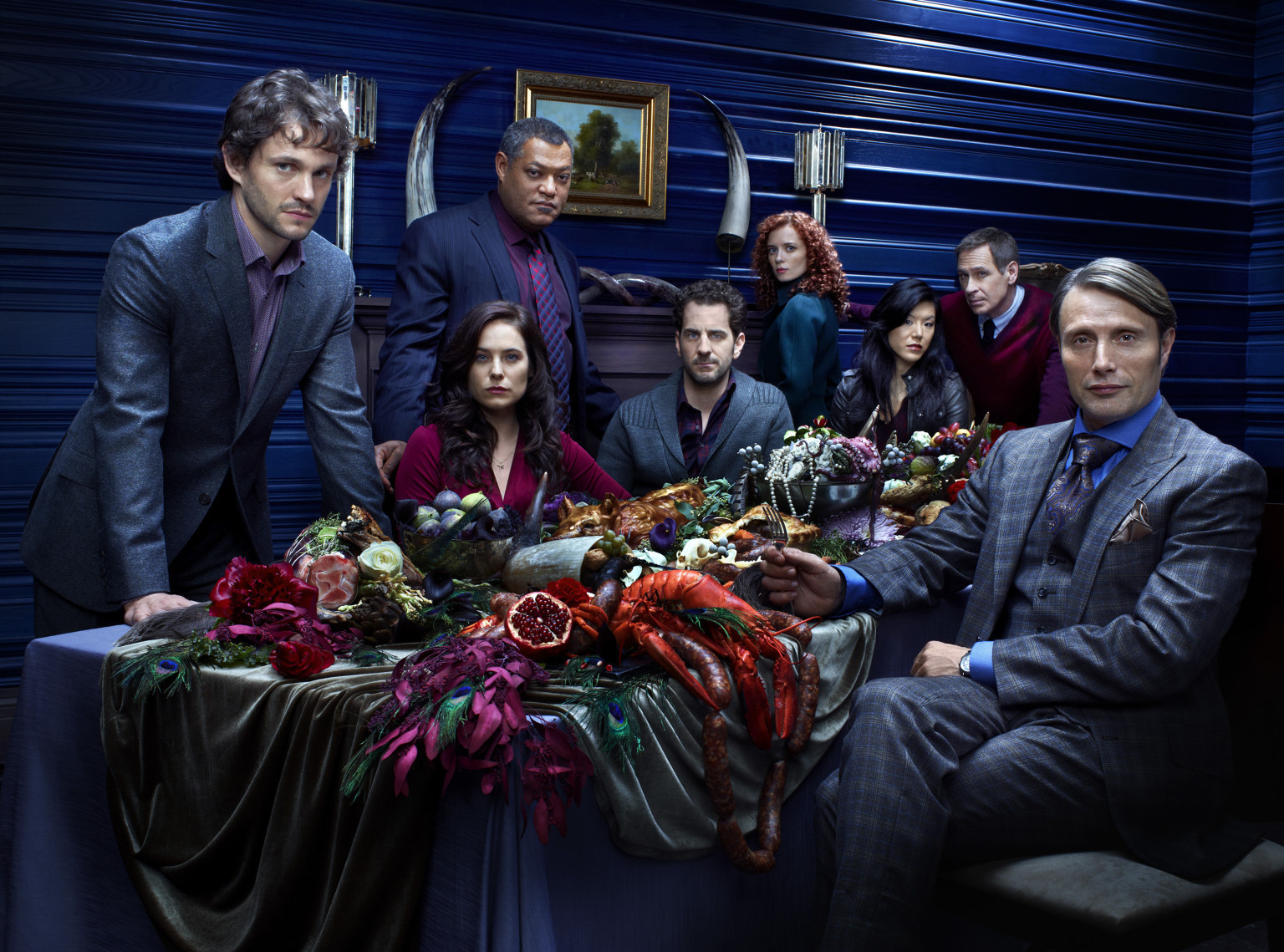
While it’s hard not to pick favorites, there’s no such thing as a definitive version of a story. Sure, some retellings are bound to be more popular than others, but there’s nothing necessarily wrong with updating a compelling idea for a new audience. That being said, it’s quite rare for a new version of an established intellectual property to stand on its own merits, with most remakes and adaptations being content with simply rehashing the things that made their predecessors successful instead of finding a new angle from which to tell an original story.
In television, this means that we’ve seen plenty of forgettable shows based on existing franchises, with everything from Ferris Bueller’s Day Off to Clueless spawning soulless spin-offs meant to capitalize on brand awareness. And when it comes to horror, the situation was even more dire before the genre renaissance of the mid 2010s, with bombs like Blade: The Series convincing viewers that it simply wasn’t possible to translate theatrical scares to the small screen. Back in the day, it appeared that only Buffy the Vampire Slayer could escape the confines of its cinematic source material, with many viewers even forgetting that it was actually based on a movie.
Thankfully, the television landscape has changed a lot since then. These days, masters like Mike Flanagan and even Don Mancini are allowed to push broadcasting boundaries with horror-centric programs, and general audiences no longer wince when it’s announced that a beloved genre film is being adapted into a tv series. However, certain shows were at the forefront of this revolution, and I’d argue that one of the most important was Bryan Fuller’s Hannibal, a refreshingly creative reinvention of Thomas Harris’ Hannibal Lecter universe that somehow managed to step out from beneath the shadow of its big-screen counterparts and deliver a memorable experience in its own right.
And with my favorite cannibal soap opera celebrating its 10th anniversary this year, I thought that this might be the perfect time to dive into why the show was so much more than a procedural serial killer investigation, with this bonkers project paving the way for a completely new kind of televised horror.

This still hits harder than most other horror shows.
Obviously, Hannibal wasn’t the first successful small screen translation of an existing horror property, releasing a few weeks after the underrated Bates Motel (and a few years after the massively popular The Walking Dead), but I believe it was instrumental in proving that audiences are willing to set aside their fondness for classic portrayals of iconic characters if presented with a genuinely engaging story. Fuller was well aware of this when NBC tasked him with developing a prequel to Red Dragon for the small screen, asking himself what an unorthodox storyteller like David Lynch might do if given these characters to play with and re-envisioning the protagonist/antagonist rivalry as a twisted love story.
In the finished show (which boasted an initial script so impressive that NBC completely skipped over the Pilot stage of development), we follow Hugh Dancy as Will Graham, a troubled FBI profiler who initiates a partnership with the mysterious psychiatrist Dr. Hannibal Lecter as they work together to track down a serial killer. Naturally, it’s soon revealed that Hannibal has his own cannibalistic secrets, though the good doctor develops a dangerous fondness for Will as he realizes that the two of them may have a lot more in common than previously thought.
Thus, Harris’ forensic epic is transformed into a deeply psychological game of shifting loyalties and interpersonal relationships between broken people, with this compelling premise being further elevated by stunning art direction and memorable performances that stand toe-to-toe with previous incarnations of these characters. Hell, there’s no shortage of think-pieces praising Mads Mikkelsen’s star-making portrayal of the world’s most charming cannibal, and it’s no surprise that the show would spawn endless waves of erotic fanfiction celebrating Dancy and Mikkelsen’s oddly enticing chemistry.
However, I think the real source of Hannibal’s enduring success is the fact that none of its episodes ever felt like watching a cheaper version of Brett Ratner’s Red Dragon (or even Michael Mann’s Manhunter, for that matter). Despite covering much of the same ground, the final season feels like a completely new story about love and betrayal that only happens to feature the same characters and set-pieces as Harris’ novel, making this a worthy companion piece to both the book and its film adaptations instead of an ill-fated attempt at a replacement.

The movies can’t compare to this.
And fortunately for genre fans, Hannibal also pioneered gruesome visuals on network television, disturbing viewers with gnarly death tableaus and unsettling subject matter that exceeds even the horrors present in the Anthony Hopkins films. Moments like Eddie Izzard being forced to consume his own flesh as Hannibal’s prisoner and comatose patients being used as living mushroom farms are likely to haunt you long after the credits roll, and that’s not even mentioning the near-sensual displays of graphic violence.
While we’d go on to see even more gory content on television, it’s likely that many producers would hesitate to allow for so much blood and guts in contemporary genre TV if wasn’t for the precedent established by Fuller and his team. That’s why I think the show laid the groundwork for all sorts of original horror programming in the following years, with series like Yellowjackets and Slasher owing a lot to the flesh totems and enticing recipes crafted by Lecter and company.
Although Hannibal was never a ratings juggernaut, it did boast a steady viewer-base that only grew as the show became available on more streaming services, so it’s only natural that it would end up influencing a whole generation of genre TV. It’s a shame that it ended so soon, with the story concluding on a literal cliffhanger instead of going on to adapt The Silence of the Lambs as the showrunner intended (with Fuller claiming to have a whopping six seasons planned out), but I still appreciate the series that we got and there’s a reason why it remains relevant even a decade later. In fact, I defend that gruesome finale – and its Siouxie-Sioux soundtrack – as a perfect place to end the story, as fans of the books know that Lecter and Graham’s relationship would never recover from that final encounter.
I’m pretty sure that too much time has passed for any network or streaming service to want to invest in a proper revival of the series, but I believe Hannibal’s legacy reaches far beyond a potential fourth season. Even if you don’t enjoy Fuller’s romantic twist on cops and cannibals, fans of shows like Ash vs. Evil Dead, Chucky and even What We Do in the Shadows should be grateful that a certain NBC production paved the way for competent cinematic spin-offs on TV.




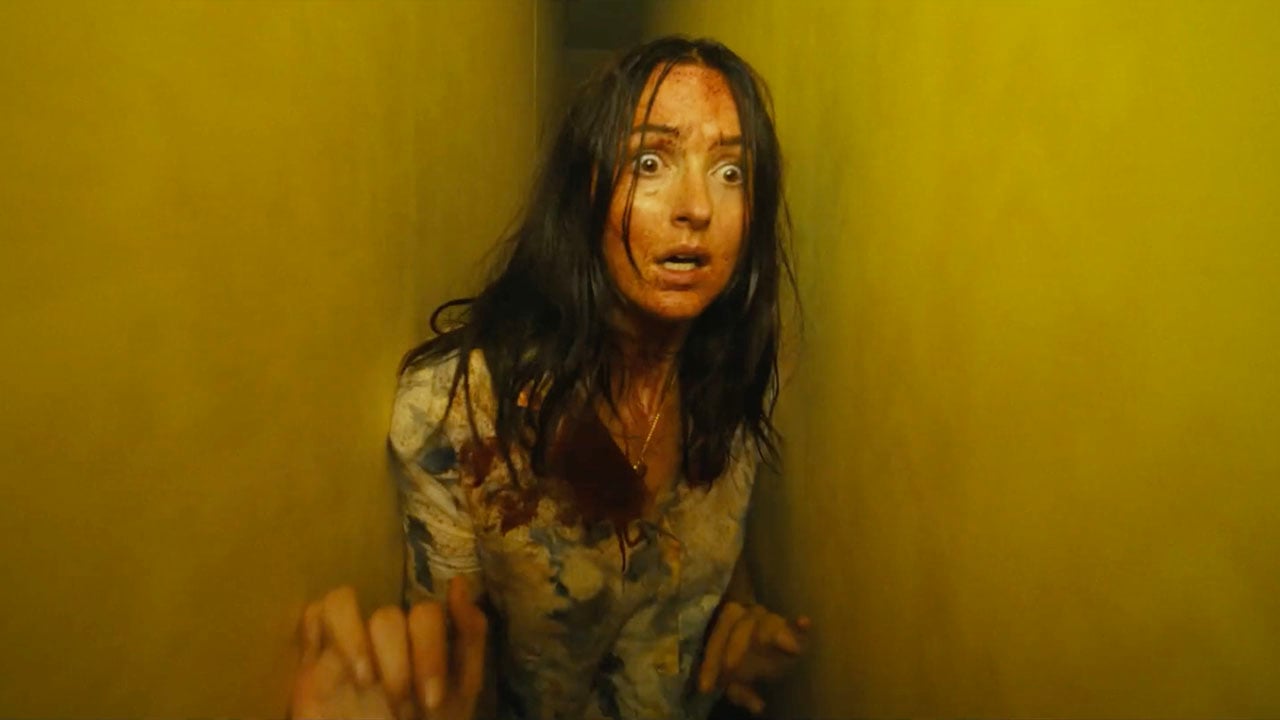
Judging from the unprecedented box office success of Kane Parsons’ Backrooms adaptation, you’ve likely already seen the liminal horror hit that managed to make audiences afraid of empty hallways and bad wallpaper. And now that so many of us have already entered the yellow labyrinth (some of us more than once), the time has come to discuss the spoiler-filled details that make the movie so fascinating in the first place.
And if there’s one element here that makes the Backrooms movie stand out from any previous lore/mythology, it has to be the genius addition of the Still Life entities. Warped recreations of real people that somehow wandered into the Complex, these misremembered creatures are responsible for some of the most disturbing imagery of 2026 – as well as laugh-out-loud memes created by one of the film’s very own concept artists.
However, true to Parsons’ word that the movie would rely heavily on practical effects, each of these distorted monsters was brought to life by real actors under heavy layers of makeup and prosthetics (with the occasional splash of CGI enhancements). While Anora and If I Had Legs I’d Kick You actress Ivy Wolk wasn’t among these performers, despite what Letterboxd might have you believe, the creature cast did benefit from veteran players with plenty of genre experience.

For starters, Alien: Romulus alumni Robert Bobroczkyi (who previously brought that film’s horrific Offspring to life during its most memorable sequence) plays the flick’s main antagonist, the Still Life version of Captain Clark. And though there was some obvious CGI involved in making the character’s peg-leg and nightmarish face more believable, Bobroczkyi’s monstrous performance and his natural 7’7″ frame helped to make that final chase sequence a clear highlight among this year’s genre offerings.
The film’s Texas-Chain-Saw-inspired “dinner” scene also features a freaky collection of less-aggressive Still Life creatures in the form of the Bearded Man, the Red-Headed Woman and, strangest of them all, the cheekily named “Archibald Leland Sutter Still Life” (who earned this title among fans and crewmembers as a reference to his apparent affinity for lamps).
While this was the first major horror outing for both Patrick Baynham (The Bearded Man) and Dana Mahmood (Archibald), Rhiannon Roberts has worked as a stunt performer in everything from Yellowjackets to HBO’s The Last of Us adaptation – which is probably why The Red-Headed Woman is the most active out of Clark’s impromptu “family.” That being said, the Archibald Leland Sutter Still Life is my personal favorite of the bunch simply because his anachronistic outfit suggests that the Backrooms phenomenon might be a lot older than the Async Foundation. I also love how hard he tries to be helpful with that little light of his!

That might be it for the Still Life entities, but I think horror fans will also be pleased to hear that the film’s Found Footage prologue stars none other than Resident Evil: Welcome to Raccoon City star Avan Jogia as Naren Warne – and American Mary herself Katharine Isabelle also shows up in a blink-and-you’ll-miss-it cameo at Mary’s house party towards the middle of the story (though I have a feeling that she originally had a bigger part that was likely cut for time).
At the end of the day, Parsons’ Backrooms may have been an auteur-driven project motivated by the young director’s unique take on the classic creepypasta, but film has always been a collective artform, so it’s fun to see just how many talented performers it takes to bring this kind of supernatural nightmare to life in a way that connects with so many people.

You must be logged in to post a comment.