Editorials
One of Horror’s Most Terrifying Love Stories: ‘Magic’ Turns 45

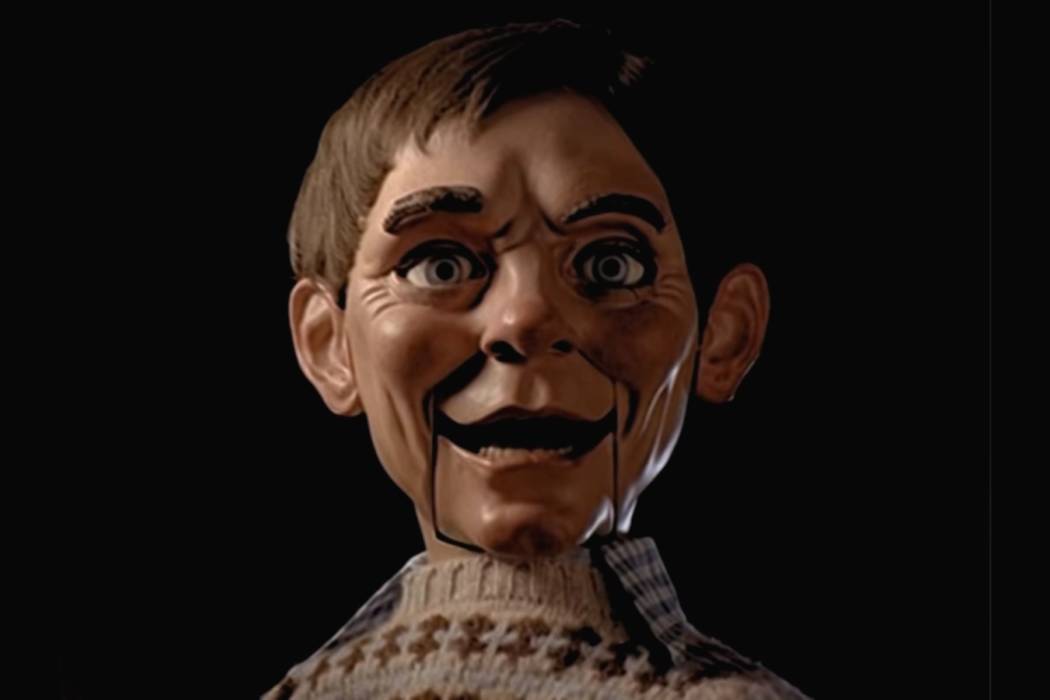
The phrase “they don’t make them like they used to” is thrown around a lot in the context of nostalgia, but in the case of the first teaser for Magic, it’s quite accurate. Imagine sitting around the TV with your family and seeing this commercial pop up on screen back in the 1970s. The simple but terrifying ad didn’t give away much about the actual plot, but it did instill a lot of traumatic nightmares for any young viewers that happened to catch it. The TV spot was so effective that it’s arguably scarier than the actual film; it wasn’t the straightforward horror story the teaser indicated but much more a psychological thriller. Released 45 years ago on November 8, 1978, Magic is an underappreciated classic and one of horror’s most unnerving love stories.
Written by William Goldman (The Stepford Wives, The Princess Bride), and adapted from the novel he also wrote, Magic revolves around a ventriloquist seeking to renew a relationship with his former high school sweetheart. The only problem is that his dummy is the jealous type.
That ventriloquist, Corky, is played by Anthony Hopkins. Corky opens the film as an aspiring magician, but lacks the charisma of his mentor Merlin. Socially awkward, Corky chokes on stage and his subsequent outburst toward a less than enthusiastic audience has his ailing mentor warning him to develop a better stage presence and gimmick. Cut to a year later, where Corky has completely turned his show around thanks to the addition of ventriloquism in his act, with his dummy Fats. The act is so compelling that his agent Ben Greene (Burgess Meredith) has lined up a great TV deal for him. But the network requires a medical exam to close the deal, and Corky runs back home to the Catskills out of fear. Corky’s fears are amplified when he renews a relationship with married woman Peggy (Ann-Margret), and Fats isn’t thrilled about it.
Unlike the ambiguity in Goldman’s source novel, the film version of Magic doesn’t make any attempts to conceal the truth about Fats. Hopkins plays Corky always on the edge, always manic and nervous save for the fleeting moments of calm happiness with Peggy. Fats even looks just like Corky, and is voiced by Hopkins too. Fats is a manifestation of Corky’s id, and Corky is aware of his mental instability from the get-go.

There’s a sadness in Corky’s desire for normalcy despite knowing Fats won’t ever let him have it, but the true tragedy is the way Peggy is caught in the middle. Stuck in an unhappy marriage, it’s easy for her to be manipulated by Corky. Corky is always a means of escaping not just her marriage but her small town, making it easier to turn a blind eye to his erratic behavior. Ann-Margret has the tough job of playing the straight-man against Hopkins’ manic man losing his grip, and she pulls it off well. According to Goldman, he wrote Peggy with her in mind.
Though many names were tied to this film prior to production, from Roman Polanski to Steven Spielberg, the directorial duties ultimately fell to Richard Attenborough, the director behind Gandhi and A Bridge Too Far, but who fans will ultimately recognize as Professor John Hammond from Jurassic Park. Throw in the talents of cinematographer Victor J. Kemper (Audrey Rose, Xanadu, Pee-Wee’s Big Adventure) and a score by legendary composer Jerry Goldsmith (Alien, Gremlins, Poltergeist), and Magic became an impressive film inside and out.
Magic wasn’t the first time that a ventriloquist was terrorized by his own dummy, but its emphasis on the psychological, Hopkins’ intense performance, and Attenborough opting for straightforward tension without a hint of camp elevated the film into something that holds up well, even if nowhere close to being as scary as the initial TV spot suggests. Moreover, Magic served as direct inspiration for Don Mancini’s original screenplay for Child’s Play, fittingly released almost a decade apart to the day. The story of Corky and Fats may not be as well known, but the influence of Magic is still strong in horror even 45 years later.
Magic is now streaming on the Bloody Disgusting-powered SCREAMBOX.

Editor’s Note: This article was originally published on November 8, 2018.



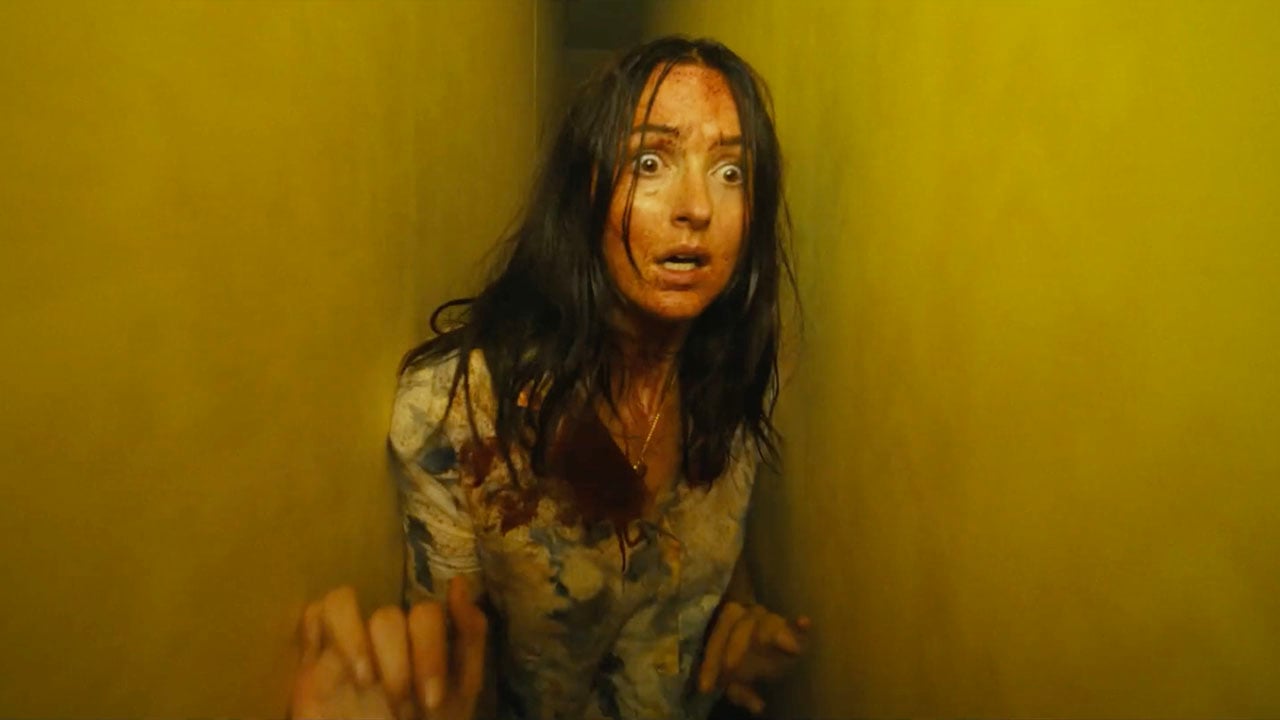
Judging from the unprecedented box office success of Kane Parsons’ Backrooms adaptation, you’ve likely already seen the liminal horror hit that managed to make audiences afraid of empty hallways and bad wallpaper. And now that so many of us have already entered the yellow labyrinth (some of us more than once), the time has come to discuss the spoiler-filled details that make the movie so fascinating in the first place.
And if there’s one element here that makes the Backrooms movie stand out from any previous lore/mythology, it has to be the genius addition of the Still Life entities. Warped recreations of real people that somehow wandered into the Complex, these misremembered creatures are responsible for some of the most disturbing imagery of 2026 – as well as laugh-out-loud memes created by one of the film’s very own concept artists.
However, true to Parsons’ word that the movie would rely heavily on practical effects, each of these distorted monsters was brought to life by real actors under heavy layers of makeup and prosthetics (with the occasional splash of CGI enhancements). While Anora and If I Had Legs I’d Kick You actress Ivy Wolk wasn’t among these performers, despite what Letterboxd might have you believe, the creature cast did benefit from veteran players with plenty of genre experience.

For starters, Alien: Romulus alumni Robert Bobroczkyi (who previously brought that film’s horrific Offspring to life during its most memorable sequence) plays the flick’s main antagonist, the Still Life version of Captain Clark. And though there was some obvious CGI involved in making the character’s peg-leg and nightmarish face more believable, Bobroczkyi’s monstrous performance and his natural 7’7″ frame helped to make that final chase sequence a clear highlight among this year’s genre offerings.
The film’s Texas-Chain-Saw-inspired “dinner” scene also features a freaky collection of less-aggressive Still Life creatures in the form of the Bearded Man, the Red-Headed Woman and, strangest of them all, the cheekily named “Archibald Leland Sutter Still Life” (who earned this title among fans and crewmembers as a reference to his apparent affinity for lamps).
While this was the first major horror outing for both Patrick Baynham (The Bearded Man) and Dana Mahmood (Archibald), Rhiannon Roberts has worked as a stunt performer in everything from Yellowjackets to HBO’s The Last of Us adaptation – which is probably why The Red-Headed Woman is the most active out of Clark’s impromptu “family.” That being said, the Archibald Leland Sutter Still Life is my personal favorite of the bunch simply because his anachronistic outfit suggests that the Backrooms phenomenon might be a lot older than the Async Foundation. I also love how hard he tries to be helpful with that little light of his!

That might be it for the Still Life entities, but I think horror fans will also be pleased to hear that the film’s Found Footage prologue stars none other than Resident Evil: Welcome to Raccoon City star Avan Jogia as Naren Warne – and American Mary herself Katharine Isabelle also shows up in a blink-and-you’ll-miss-it cameo at Mary’s house party towards the middle of the story (though I have a feeling that she originally had a bigger part that was likely cut for time).
At the end of the day, Parsons’ Backrooms may have been an auteur-driven project motivated by the young director’s unique take on the classic creepypasta, but film has always been a collective artform, so it’s fun to see just how many talented performers it takes to bring this kind of supernatural nightmare to life in a way that connects with so many people.

You must be logged in to post a comment.